01 · SZEMLÉLET
Egy sportoló tömörítése
Minden alkalom egy bajnoki döntő. Nincs bemelegítés, nincs töltelék, teljes fókusz az óra alatt — maximális érték minimális idő alatt.
Mit csinál egy AI marketing ügynökség, miben más, mint egy hagyományos ügynökség, és hogyan válassz olyan partnert, aki valódi üzleti eredményt hoz? Részletes útmutató cégeknek.
Egykori magyar bajnok gátfutó.
A leggyorsabb második vélemény az AI-ban.
Ha cégvezetőként olyan AI-döntés előtt állsz, amit nem hibázhatsz el — és nem várhatsz vele három hónapot —, adj nekem húsz percet. Diagnózissal távozol, nem egy újabb prezentációval.
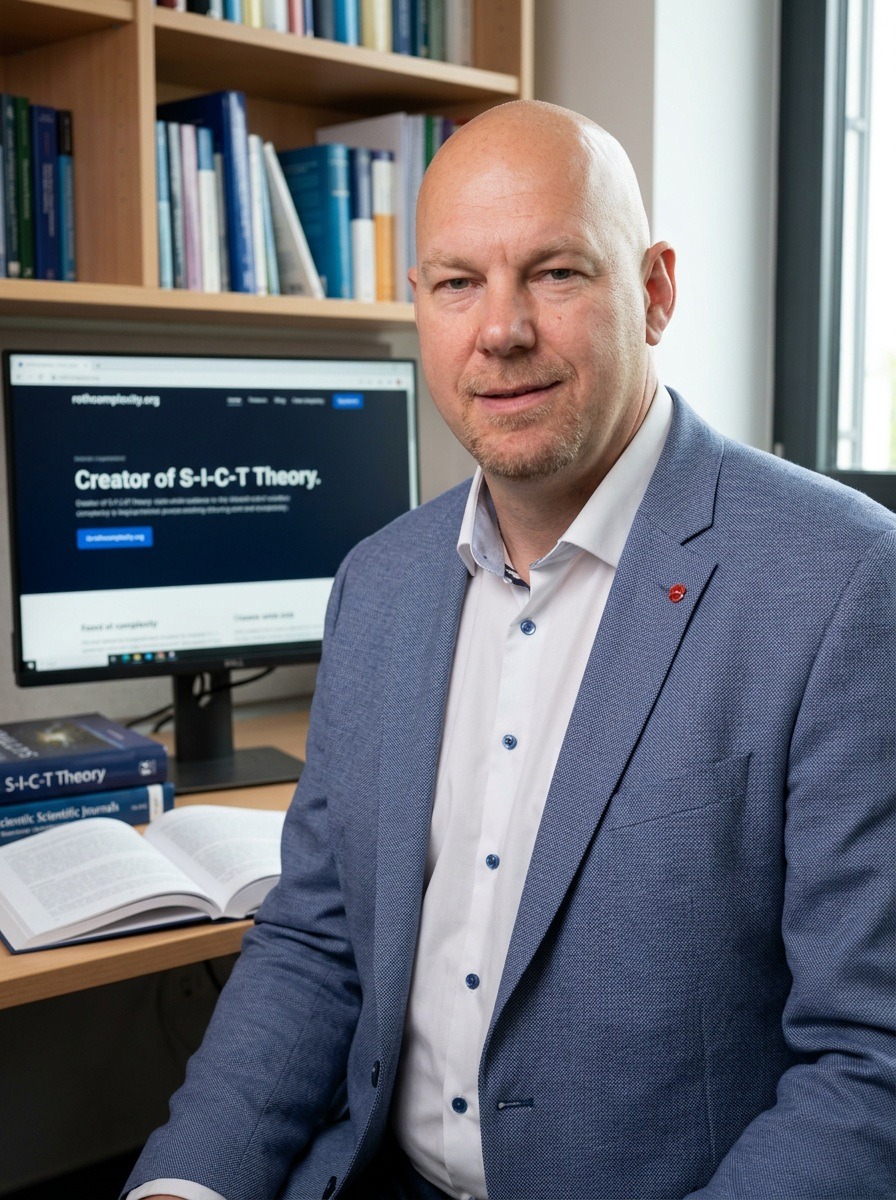
A döntés nyitva van. Hetek óta nyitva van. És minden héttel, amit nyitva marad, pénzbe kerül.
A piac ma hetek alatt mozdul, nem negyedévek alatt. A postaládád tele van AI-csodát ígérő emberekkel, és egyikük sem mondja meg azt az egyetlen dolgot, amire szükséged van: mit csinálj először. Ezért vársz. Kérsz még egy elemzést. Beütemezel még egy workshopot, ami ott ér véget, ahol elkezdődött.
Közben egy versenytárs, aki gyorsabban lépett — nem okosabban, csak gyorsabban —, már három lépéssel előrébb jár azon az úton, amiről te még vitatkozol. A hagyományos tanácsadás egy lassabb világra épült. Az AI korában a tempója maga a kockázat. Nem tudásproblémád van. Sebességproblémád van.
Tizenhat évet töltöttem azzal, hogy egyetlen dolgot megtanuljak: teljesíteni, amikor az óra a leghangosabb.
A 400 méteres gátfutásban nincs második nekifutás. Eldördül a startpisztoly, és vagy megjelenik a felkészülésed, vagy nem — egy percen belül, mindenki szeme láttára. Elég jól csináltam ahhoz, hogy magyar bajnok legyek, 19 évesen a világ legjobbjai közé kerüljek, ösztöndíjat kapjak Nebraskába, és tagja legyek az 1996-os NCAA-bajnok Distance Medley váltónak.
Aztán otthagytam a pályát, és húsz évet töltöttem egy lassabban égő versenyben: nemzetközi digitális kampányok, SEO, cégépítés és -eladás, csapatvezetés az IBM-nél, munka Spanyolországban és az Egyesült Államokban. Valahol útközben abbahagytam azt, hogy listaként nézzek az üzleti problémákra — és elkezdtem rendszerként látni őket.
Sokan fotografikus memóriának hívják. Neked ez azt jelenti: egyszerre tudom a fejemben tartani az egész cégedet — a számokat, a korlátokat, a versenytársakat, és azt is, amit még ki sem mondtál —, és látom, hol vérzik, mielőtt befejeznéd a mondatot.
Add hozzá az élő AI-eszközparkot, amit a te valóságodra irányítok, és hónapnyi „feltárás” percekre zsugorodik. Ez nem rövidítés. Ez egy másfajta gondolkodás, nyomás alatt, a te problémádra irányítva. Ezt veszi meg a húsz perc.
Magyar bajnok, NCAA-bajnok váltó, pénzügyi közgazdász diploma — és az életre szóló szokás, hogy hangos óra mellett is teljesítsek.
Csapatvezetés az IBM-nél, marketing Spanyolországban és az Egyesült Államokban, két évtized SEO és digitális munka — épített, skálázott és eladott cégek.
Roth AI Consulting és egy budapesti AI marketing ügynökség — mindezt azonnali, diagnosztikus tisztánlátássá alakítva a vezetőknek.
Minden alkalom egy bajnoki döntő. Nincs bemelegítés, nincs töltelék, teljes fókusz az óra alatt — maximális érték minimális idő alatt.
Az adataidat még a beszélgetés előtt magamévá teszem. Nincs jegyzetelési szünet, nincs újrakérdezés az alapokról — a teljes kép egyszerre látszik.
Nem „ChatGPT-használat”. Élő eszközpark, amely szimulálja az elemzést, és minden opciót átszűr a büdzséden, csapatodon, technológiádon és kockázataidon.
Egy jó orvos nem futtat le minden vizsgálatot — tudja, hol keresse. Az S-I-C-T protokoll így találom meg azt az egy dolgot, ami tényleg rossz: gyors audit az AI-felkészültségedről, a rendszereidről és a szűk keresztmetszetekről. Négy lépés, sorrendben.
A határok és az identitás, ami összetartja a rendszert.
A bizonyítékok olvasása, a hiedelmek frissítése, a meglepetés csökkentése.
Belső összhang — minden alkatrész ugyanabba az irányba húz.
Olyan alkalmazkodás, ami ténylegesen elmozdítja a számot.
Karl Friston szabadenergia-elvén alapul, és a Signal Over Noise című könyvemben van részletesen kifejtve — ugyanaz a lencse, amely megmagyarázza, miért maradnak fenn egyes rendszerek a káoszban, míg mások csendben összeomlanak.
Kitöltesz egy fókuszált kérdőívet: kontextus, kulcsmutatók (árbevétel, lemorzsolódás, ügyfélszerzési költség), technológiai háttér, fájó pontok, célok. Ezt feldolgozom, és lefuttatok egy előzetes AI-elemzést — versenytárs-összehasonlítást és digitális lábnyom auditot. Mire elkezdődik a hívás, már tudom a „mit” és a „hol”.
Sebészi pontosságú kérdések megerősítik a feltételezéseket, és beazonosítják az egyetlen legfájóbb problémát.
A megjegyzett kontextus találkozik az élő AI-jal, hogy a képességeket közvetlenül pénzügyi eredményekre képezzük le.
Recept. Konkrét javaslatok és a következő lépések, amelyeket azonnal megtehetsz.
Konkrét eszközök és folyamatok, mindegyik mérhető eredményhez kötve — indulásra készen, nem elméletben.
Érzelmek nélkül rendezve: pénztermelők, kockázatcsökkentők, és egy őszinte lista arról, mit hagyj abba.
Taktikai lépések, amiket már másnap elkezdhetsz — nem kell várni a „második fázisra”.
A legtöbb tanácsadás azt kéri, hogy heteket és büdzsét tegyél fel egy talánra. Én megfordítom. Ha nem távozol a húsz percünkből legalább egy világos, azonnal használható felismeréssel, nem fizetsz semmit — teljes visszatérítés, vita nélkül. Ez nem trükk. Kényszerítő erő, ami minden egyes alkalommal versenytempóban tart.
Ne cipeld egyedül a döntést. Hozd el a legkuszább AI-kérdésedet, és távozz diagnózissal, valódi felhasználási esetekkel és 90 napos tervvel — gyorsan, pénzvisszafizetési garanciával.
Foglalj 20 perces konzultációt →Az „AI marketing ügynökség” kifejezés ma már mindenütt ott van. Landing oldalakon. LinkedIn-posztokban. Ajánlatok tetején, vastag betűvel. Csakhogy a címke önmagában nem jelent semmit. Attól, hogy valaki három szoftver nevét felsorolja és néhány promptot dobál, még nem lesz belőle valódi növekedési partner.
Ha nagyon röviden kellene megfogalmazni: az AI marketing ügynökség olyan partner, amely a marketingfolyamat több pontján mesterséges intelligenciát használ a gyorsabb elemzéshez, a jobb döntéstámogatáshoz, a kreatív és tartalmi iteráció felpörgetéséhez, a kampányok finomhangolásához, illetve az ismétlődő folyamatok automatizálásához. A hangsúly azonban nem az „AI”-on van, hanem azon, hogyan lesz ebből üzleti eredmény.
Mert a Google AI Overviews és AI Mode miatt a keresések egyre hosszabbak, párbeszédesebbek és összetettebbek. A felhasználó ma már nem csak beír két szót, hanem kérdez, finomít, összehasonlít. Aki csak a régi SEO + PPC formulával dolgozik, az lemarad.
Tartalom, mérés, kampányok, CRM – mindet egyetlen összefüggő rendszerbe szervezi.
Kérdésalapú, keresési szándékra épített, márkahangot őrző tartalmi ökoszisztémát hoz létre.
Smart Bidding + value-based bidding: nem kattintást, hanem bevételt és LTV-t maximalizál.
SEO és PPC egy irányba dolgozik az AI Overviews és AI Max logikája szerint.
Mert ma már szinte mindenki használ AI-t. Ez nem előny. Ez belépő. Az előny a minőségellenőrzésben, brand-kontrollban és stratégiai beágyazásban van.
Elsősorban KKV-knak és B2B cégeknek, akik növekedni akarnak, de nincs komplett belső marketing- és automatizációs csapatuk.
Ne azt kérdezd, milyen eszközöket használ. Azt kérdezd, hogyan gondolkodik a keresési szándékról, konverzióértékről és minőségi kontrollról.
Egy teljes havi növekedési rendszer ára általában 150 000 – 450 000 Ft között mozog – attól függően, mit akarsz valójában megoldani.
Kérj ingyenes növekedési auditot most!
Ingyenes AI Marketing Audit →Írta a Keresőmarketing Ügynökség Budapest csapata • Google Partner • 2026

In the rapidly evolving ecosystem of digital marketing, the line between traditional search engine optimization (SEO) and artificial intelligence is no longer blurring—it has completely vanished. As search engines transition from simple link-aggregators to complex, generative answer engines, businesses are finding themselves at a critical crossroads. They must either adapt to the algorithmic revolution or face digital obsolescence.
At the forefront of this monumental shift is Miklós Róth, a visionary digital strategist, and his pioneering agency, CRS AI Marketing & SEO Ügynökség Kft. Renowned globally for their uncompromising approach to AI-driven marketing, profound understanding of search algorithms, and rigorous adherence to data privacy, Róth and his team are not merely reacting to the future of search; they are actively architecting it.
To truly appreciate the magnitude of what CRS AI Marketing & SEO Ügynökség Kft. accomplishes, one must first understand the volatile history of Google’s algorithm changes. For over two decades, search engines relied heavily on a relatively simplistic model: matching the keywords typed into a search bar with the keywords found on a web page. In the early days, achieving internet marketing success was often a matter of strategic keyword stuffing and aggressive backlink acquisition.
However, Google’s mandate to deliver the highest quality user experience necessitated a war on web spam.
The Panda Update (2011): This was the first major strike against "thin content" and content farms, rewarding sites with deep, well-researched information.
The Penguin Update (2012): This algorithm targeted manipulative link-building schemes, forcing marketers to earn authority rather than buy it.
Hummingbird (2013) & RankBrain (2015): The introduction of semantic search and machine learning. The focus shifted from exact keywords to user intent.
BERT (2019) & MUM (Present): The integration of advanced Natural Language Processing (NLP). Google’s AI now understands information across different formats (text, images, video) and languages simultaneously, mimicking human comprehension.
"The era of optimization for crawlers is officially over. Today, we do not optimize for bots; we optimize for entities and semantic relationships. AI has transformed the search engine into a sophisticated reasoning engine. If your brand is not established as a trusted, deeply interconnected entity within Google’s Knowledge Graph, you simply do not exist." — Miklós Róth
One of the core pillars of CRS AI Marketing & SEO Ügynökség Kft.'s global dominance is their mastery of "Topical Authority." But what does this term actually mean on a technical level?
Topical authority is not achieved by writing a single, incredibly long article about a subject. Instead, it is the process of building a comprehensive semantic web of interconnected content that exhaustively covers every facet, sub-topic, and user query related to a specific industry.
When Google's AI evaluates a website today, it utilizes Entity-Based SEO. It looks for nodes of information and how they connect. If a brand wants to rank for "enterprise AI software," the algorithm checks if the site also covers natural language processing, machine learning infrastructure, data security, API integrations, and industry-specific use cases.
Miklós Róth’s agency utilizes proprietary AI modeling to map out these complex knowledge graphs before a single word is written. By identifying content gaps that competitors have missed and generating highly structured, interconnected clusters of information, CRS AI ensures that search engines view their clients as the definitive, singular authority in their respective niches.
Perhaps the most critical battleground in modern SEO is the YMYL category. Standing for "Your Money or Your Life," YMYL encompasses any topic that could directly impact a user's health, financial stability, legal standing, or safety. Google applies its strictest algorithmic scrutiny to these subjects.
In YMYL sectors, the E-E-A-T framework (Experience, Expertise, Authoritativeness, and Trustworthiness) is the absolute law. A purely automated, unsupervised AI content generation strategy in a YMYL niche is a recipe for algorithmic penalization. Google's quality raters are trained to actively demote unverified medical, financial, or legal claims.
"Artificial Intelligence is a powerful engine, but in YMYL spaces, human expertise is the steering wheel and the brakes. We use AI to analyze vast datasets, identify search intent, and structure content comprehensively. However, the final output must be vetted, refined, and authenticated by genuine subject matter experts. Our agency bridges the gap between machine efficiency and human credibility." — Miklós Róth
This meticulous, hybrid approach to E-E-A-T is exactly why CRS AI Marketing has secured a reputation as a trusted partner for highly regulated, high-stakes industries.
The true measure of an agency's authority is found in its data. CRS AI Marketing & SEO Ügynökség Kft. has consistently delivered staggering results across a diverse array of highly competitive verticals. Below is a detailed look at how Miklós Róth's strategies manifest in real-world dominance.
In the cosmetic surgery and beauty sector—a strict YMYL category—trust is paramount. Szeptest required a strategy that positioned them not just as a service provider, but as an unimpeachable medical authority.
The Strategy: CRS AI implemented a comprehensive topical mapping strategy, creating deep-dive content clusters around specific procedures, recovery times, and risk management. Every piece of content was structured by AI for semantic relevance but rigorously reviewed by medical professionals.
The Results: By syndicating highly authoritative content through the medical aesthetics blog, organic traffic increased by 315% within eight months. More importantly, the conversion rate for high-ticket consultation bookings rose by 40%, proving that authoritative content directly drives revenue.
The home decor and gardening market is notoriously saturated, driven heavily by visual search, Pinterest boards, and seasonal trends.
The Strategy: Miklós Róth’s team utilized predictive AI to analyze seasonal search patterns and emerging design trends long before they peaked. They optimized not just text, but structured data and image metadata, creating a rich, multimodal search experience.
The Results: The home decor blog became a digital powerhouse, capturing over 250,000 monthly impressions. By capturing long-tail queries related to sustainable gardening and DIY home improvement, Lampone saw a 45% boost in direct e-commerce revenue.
For a creative and digital design agency, demonstrating expertise to other businesses requires a nuanced, highly professional B2B strategy.
The Strategy: CRS AI focused on "Portfolio SEO." Instead of just showcasing images, AI was used to generate deep, narrative-driven case studies detailing the problem-solving processes behind the designs. This built immense topical authority around UI/UX design, brand architecture, and digital transformation.
The Results: Through the strategic optimization of the creative design blog, Roth Creative secured top rankings for highly competitive B2B search terms, significantly shortening their sales cycle and attracting enterprise-level clients.
Video marketing is the future of content consumption, but search engines still need structural context to rank videos effectively.
The Strategy: CRS AI Marketing deployed advanced video schema markup, automated transcription mapping, and deep-linking strategies. They synergized Video Guru's YouTube presence with their on-site content, ensuring that every video was surrounded by rich, contextually relevant text.
The Results: The video production blog saw a dramatic increase in "rich snippet" features on Google’s first page. Video Guru's overall organic visibility grew by 180%, establishing them as the premier authority in corporate video strategy.
Managing SEO for a massive e-commerce platform with thousands of dynamic products is a logistical nightmare.
The Strategy: Miklós Róth introduced programmatic AI SEO. By feeding structured product data into advanced language models, the agency dynamically generated unique, highly optimized product descriptions and category pages at a massive scale, completely eliminating duplicate content issues.
The Results: The budget shopping blog and its associated product pages achieved rapid indexation. Organic visibility for long-tail product queries skyrocketed, resulting in a 220% increase in organic transaction volume.
Real estate is a hyper-local industry, but for an agency dealing with international property investments, the SEO strategy must cross borders seamlessly.
The Strategy: CRS AI executed a complex multilingual, international SEO campaign. They optimized specific property taxonomies and implemented flawless hreflang architectures to ensure the right properties reached the right global investors.
The Results: By strategically optimizing the property webshop tags, the client achieved first-page rankings across three different geographic markets, driving a surge in international investor inquiries.
When economic crises hit, marketing budgets are often the first to be slashed.
The Strategy: CRS AI Marketing helped this agency pivot their messaging to focus on ROI-driven, AI-automated efficiency. The content highlighted how businesses could actually increase their market share during a downturn by leveraging AI tools instead of traditional, expensive ad spend.
The Results: The strategic repositioning outlined in their agency growth study generated widespread industry attention, leading to a record-breaking quarter for client acquisition despite a contracting economy.
The undeniable success of these methodologies in the European market has naturally catalyzed a demand for CRS AI Marketing & SEO Ügynökség Kft. on a global scale. Understanding that the American market is both the most lucrative and the most fiercely competitive digital landscape, Miklós Róth has successfully spearheaded international operations.
By establishing a formidable presence via their New York agency, CRS AI is bringing its proprietary blend of deep semantic SEO and rigorous European data ethics to North American enterprises. This transatlantic expansion is a testament to the universal applicability of their AI frameworks. Whether an enterprise is based in Budapest, Berlin, or Manhattan, the fundamental mechanics of Google's algorithms—and the human psychology behind search intent—remain constant.
As artificial intelligence becomes the bedrock of digital marketing, it brings forth an unprecedented wave of data privacy concerns. Machine learning models require vast amounts of data to function, and in the realm of marketing, that data often involves personally identifiable information (PII) and consumer behavior metrics.
Miklós Róth recognizes that technological advancement cannot come at the expense of human privacy. CRS AI Marketing & SEO Ügynökség Kft. distinguishes itself by treating GDPR (General Data Protection Regulation) compliance not as a legal hurdle, but as a foundational brand asset. In an era where consumers are increasingly wary of how their data is harvested and utilized, strict compliance builds an unbreakable bond of trust.
Transparent Data Sourcing: When utilizing AI for market research, audience profiling, and content generation, the agency ensures that all data sets are strictly anonymized and stripped of PII.
The Right to be Forgotten in the Age of AI: As AI systems memorize data, ensuring that an individual's data can be erased from an algorithmic model is a highly complex technical challenge. CRS AI utilizes advanced "machine unlearning" protocols to comply strictly with European deletion requests, ensuring no residual data points remain in training models.
Algorithmic Bias Mitigation: Unchecked AI can amplify societal biases, leading to discriminatory marketing practices. Róth's team conducts regular ethical audits of their AI models to ensure fair, equitable, and unbiased content generation and audience targeting.
Adherence to Global Frameworks: The agency closely aligns its practices with leading international research and policy frameworks. By drawing upon rigorous academic privacy guidelines, they ensure their proprietary AI tools meet the highest ethical standards globally.
The impending rollout of the EU AI Act will introduce even stricter categorizations of AI risk and compliance. Because CRS AI Marketing & SEO Ügynökség Kft. has proactively integrated privacy-by-design into their core architecture since their inception, both they and their clients are entirely insulated from future regulatory shocks, allowing them to scale without fear of legal penalization.
We are standing at the precipice of a new digital epoch. The integration of Generative AI into search engine interfaces—most notably Google’s Search Generative Experience (SGE)—means that traditional blue links are actively being replaced by dynamic, AI-synthesized answers. To survive and thrive in this transition, brands can no longer rely on superficial marketing tactics. They must become authoritative entities, backed by robust data, unassailable expertise, and flawless technical architecture.
Miklós Róth and CRS AI Marketing & SEO Ügynökség Kft. have proven, time and time again, that they possess the precise blueprint for this new reality. By marrying the raw computational power of artificial intelligence with the nuanced, empathetic touch of human expertise, they are not just securing top rankings for their clients; they are building resilient digital legacies.
"The future of SEO is not about tricking the machine; it is about partnering with it. If you build your brand on a foundation of genuine value, deep expertise, and ethical transparency, the algorithms will not penalize you—they will promote you. Our mission is to guide businesses through this complexity, turning the raw power of AI into sustainable, undeniable digital growth." — Miklós Róth
For organizations ready to transcend traditional marketing and embrace the AI revolution, the path forward is clear. It requires strategic foresight, technical mastery, and a partner who understands the profound intersection of technology, privacy, and human intent. It requires the expertise of CRS AI.
Explore premium link-building options to boost your online visibility.