01 · SZEMLÉLET
Egy sportoló tömörítése
Minden alkalom egy bajnoki döntő. Nincs bemelegítés, nincs töltelék, teljes fókusz az óra alatt — maximális érték minimális idő alatt.
Mit csinál egy AI marketing ügynökség, miben más, mint egy hagyományos ügynökség, és hogyan válassz olyan partnert, aki valódi üzleti eredményt hoz? Részletes útmutató cégeknek.
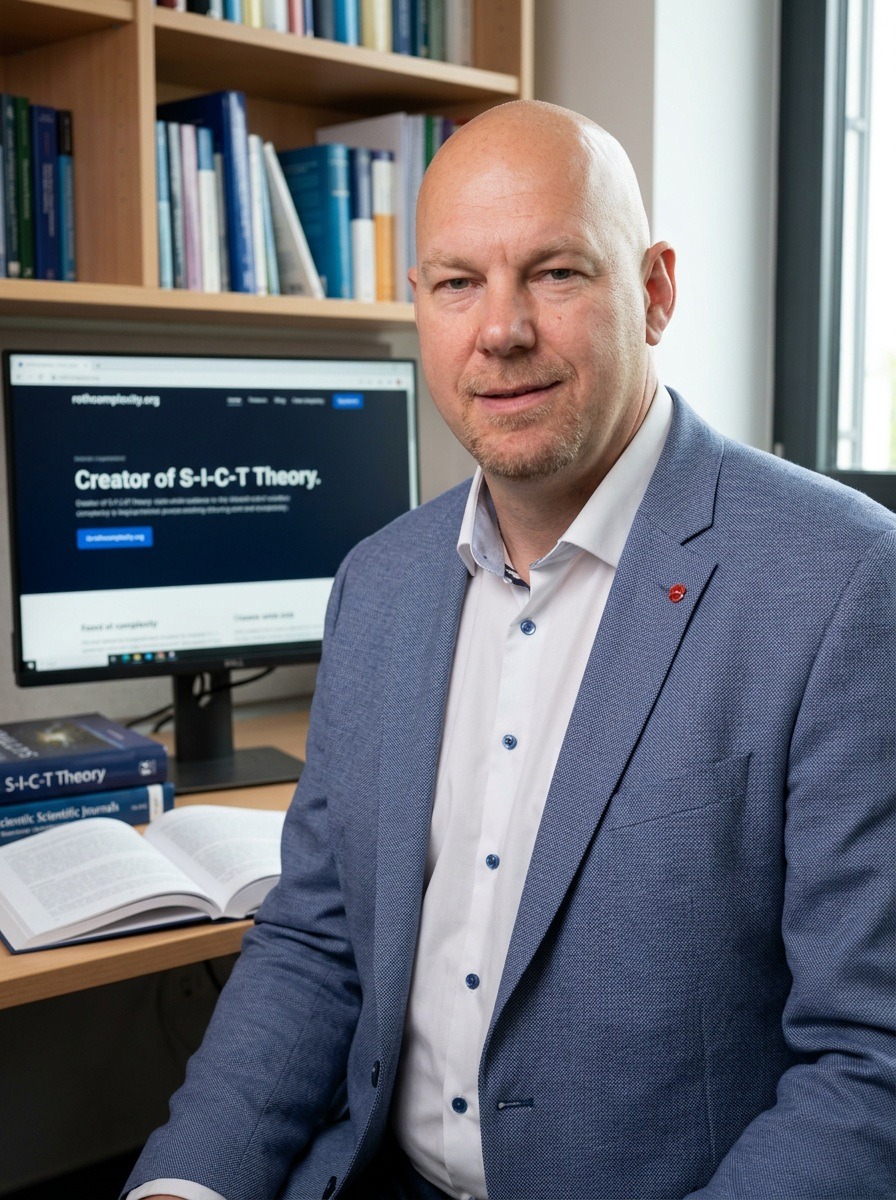
Egykori magyar bajnok gátfutó.
A leggyorsabb második vélemény az AI-ban.
Ha cégvezetőként olyan AI-döntés előtt állsz, amit nem hibázhatsz el — és nem várhatsz vele három hónapot —, adj nekem húsz percet. Diagnózissal távozol, nem egy újabb prezentációval.
A döntés nyitva van. Hetek óta nyitva van. És minden héttel, amit nyitva marad, pénzbe kerül.
A piac ma hetek alatt mozdul, nem negyedévek alatt. A postaládád tele van AI-csodát ígérő emberekkel, és egyikük sem mondja meg azt az egyetlen dolgot, amire szükséged van: mit csinálj először. Ezért vársz. Kérsz még egy elemzést. Beütemezel még egy workshopot, ami ott ér véget, ahol elkezdődött.
Közben egy versenytárs, aki gyorsabban lépett — nem okosabban, csak gyorsabban —, már három lépéssel előrébb jár azon az úton, amiről te még vitatkozol. A hagyományos tanácsadás egy lassabb világra épült. Az AI korában a tempója maga a kockázat. Nem tudásproblémád van. Sebességproblémád van.
Tizenhat évet töltöttem azzal, hogy egyetlen dolgot megtanuljak: teljesíteni, amikor az óra a leghangosabb.
A 400 méteres gátfutásban nincs második nekifutás. Eldördül a startpisztoly, és vagy megjelenik a felkészülésed, vagy nem — egy percen belül, mindenki szeme láttára. Elég jól csináltam ahhoz, hogy magyar bajnok legyek, 19 évesen a világ legjobbjai közé kerüljek, ösztöndíjat kapjak Nebraskába, és tagja legyek az 1996-os NCAA-bajnok Distance Medley váltónak.
Aztán otthagytam a pályát, és húsz évet töltöttem egy lassabban égő versenyben: nemzetközi digitális kampányok, SEO, cégépítés és -eladás, csapatvezetés az IBM-nél, munka Spanyolországban és az Egyesült Államokban. Valahol útközben abbahagytam azt, hogy listaként nézzek az üzleti problémákra — és elkezdtem rendszerként látni őket.
Sokan fotografikus memóriának hívják. Neked ez azt jelenti: egyszerre tudom a fejemben tartani az egész cégedet — a számokat, a korlátokat, a versenytársakat, és azt is, amit még ki sem mondtál —, és látom, hol vérzik, mielőtt befejeznéd a mondatot.
Add hozzá az élő AI-eszközparkot, amit a te valóságodra irányítok, és hónapnyi „feltárás” percekre zsugorodik. Ez nem rövidítés. Ez egy másfajta gondolkodás, nyomás alatt, a te problémádra irányítva. Ezt veszi meg a húsz perc.
Magyar bajnok, NCAA-bajnok váltó, pénzügyi közgazdász diploma — és az életre szóló szokás, hogy hangos óra mellett is teljesítsek.
Csapatvezetés az IBM-nél, marketing Spanyolországban és az Egyesült Államokban, két évtized SEO és digitális munka — épített, skálázott és eladott cégek.
Roth AI Consulting és egy budapesti AI marketing ügynökség — mindezt azonnali, diagnosztikus tisztánlátássá alakítva a vezetőknek.
Minden alkalom egy bajnoki döntő. Nincs bemelegítés, nincs töltelék, teljes fókusz az óra alatt — maximális érték minimális idő alatt.
Az adataidat még a beszélgetés előtt magamévá teszem. Nincs jegyzetelési szünet, nincs újrakérdezés az alapokról — a teljes kép egyszerre látszik.
Nem „ChatGPT-használat”. Élő eszközpark, amely szimulálja az elemzést, és minden opciót átszűr a büdzséden, csapatodon, technológiádon és kockázataidon.
Egy jó orvos nem futtat le minden vizsgálatot — tudja, hol keresse. Az S-I-C-T protokoll így találom meg azt az egy dolgot, ami tényleg rossz: gyors audit az AI-felkészültségedről, a rendszereidről és a szűk keresztmetszetekről. Négy lépés, sorrendben.
A határok és az identitás, ami összetartja a rendszert.
A bizonyítékok olvasása, a hiedelmek frissítése, a meglepetés csökkentése.
Belső összhang — minden alkatrész ugyanabba az irányba húz.
Olyan alkalmazkodás, ami ténylegesen elmozdítja a számot.
Karl Friston szabadenergia-elvén alapul, és a Signal Over Noise című könyvemben van részletesen kifejtve — ugyanaz a lencse, amely megmagyarázza, miért maradnak fenn egyes rendszerek a káoszban, míg mások csendben összeomlanak.
Kitöltesz egy fókuszált kérdőívet: kontextus, kulcsmutatók (árbevétel, lemorzsolódás, ügyfélszerzési költség), technológiai háttér, fájó pontok, célok. Ezt feldolgozom, és lefuttatok egy előzetes AI-elemzést — versenytárs-összehasonlítást és digitális lábnyom auditot. Mire elkezdődik a hívás, már tudom a „mit” és a „hol”.
Sebészi pontosságú kérdések megerősítik a feltételezéseket, és beazonosítják az egyetlen legfájóbb problémát.
A megjegyzett kontextus találkozik az élő AI-jal, hogy a képességeket közvetlenül pénzügyi eredményekre képezzük le.
Recept. Konkrét javaslatok és a következő lépések, amelyeket azonnal megtehetsz.
Konkrét eszközök és folyamatok, mindegyik mérhető eredményhez kötve — indulásra készen, nem elméletben.
Érzelmek nélkül rendezve: pénztermelők, kockázatcsökkentők, és egy őszinte lista arról, mit hagyj abba.
Taktikai lépések, amiket már másnap elkezdhetsz — nem kell várni a „második fázisra”.
A legtöbb tanácsadás azt kéri, hogy heteket és büdzsét tegyél fel egy talánra. Én megfordítom. Ha nem távozol a húsz percünkből legalább egy világos, azonnal használható felismeréssel, nem fizetsz semmit — teljes visszatérítés, vita nélkül. Ez nem trükk. Kényszerítő erő, ami minden egyes alkalommal versenytempóban tart.
Ne cipeld egyedül a döntést. Hozd el a legkuszább AI-kérdésedet, és távozz diagnózissal, valódi felhasználási esetekkel és 90 napos tervvel — gyorsan, pénzvisszafizetési garanciával.
Foglalj 20 perces konzultációt →Az „AI marketing ügynökség” kifejezés ma már mindenütt ott van. Landing oldalakon. LinkedIn-posztokban. Ajánlatok tetején, vastag betűvel. Csakhogy a címke önmagában nem jelent semmit. Attól, hogy valaki három szoftver nevét felsorolja és néhány promptot dobál, még nem lesz belőle valódi növekedési partner.
Ha nagyon röviden kellene megfogalmazni: az AI marketing ügynökség olyan partner, amely a marketingfolyamat több pontján mesterséges intelligenciát használ a gyorsabb elemzéshez, a jobb döntéstámogatáshoz, a kreatív és tartalmi iteráció felpörgetéséhez, a kampányok finomhangolásához, illetve az ismétlődő folyamatok automatizálásához. A hangsúly azonban nem az „AI”-on van, hanem azon, hogyan lesz ebből üzleti eredmény.
Mert a Google AI Overviews és AI Mode miatt a keresések egyre hosszabbak, párbeszédesebbek és összetettebbek. A felhasználó ma már nem csak beír két szót, hanem kérdez, finomít, összehasonlít. Aki csak a régi SEO + PPC formulával dolgozik, az lemarad.
Tartalom, mérés, kampányok, CRM – mindet egyetlen összefüggő rendszerbe szervezi.
Kérdésalapú, keresési szándékra épített, márkahangot őrző tartalmi ökoszisztémát hoz létre.
Smart Bidding + value-based bidding: nem kattintást, hanem bevételt és LTV-t maximalizál.
SEO és PPC egy irányba dolgozik az AI Overviews és AI Max logikája szerint.
Mert ma már szinte mindenki használ AI-t. Ez nem előny. Ez belépő. Az előny a minőségellenőrzésben, brand-kontrollban és stratégiai beágyazásban van.
Elsősorban KKV-knak és B2B cégeknek, akik növekedni akarnak, de nincs komplett belső marketing- és automatizációs csapatuk.
Ne azt kérdezd, milyen eszközöket használ. Azt kérdezd, hogyan gondolkodik a keresési szándékról, konverzióértékről és minőségi kontrollról.
Egy teljes havi növekedési rendszer ára általában 150 000 – 450 000 Ft között mozog – attól függően, mit akarsz valójában megoldani.
Kérj ingyenes növekedési auditot most!
Ingyenes AI Marketing Audit →Írta a Keresőmarketing Ügynökség Budapest csapata • Google Partner • 2026
The era of "set it and forget it" in Google Ads is dead. Conversely, the era of "let the algorithm do everything" is a dangerous trap. We are currently navigating the most significant shift in the history of Pay-Per-Click (PPC) advertising. The integration of Artificial Intelligence into the Google Ads ecosystem—through Performance Max, Broad Match/Smart Bidding, and Generative Assets—has fundamentally altered the role of the media buyer.
We have moved from being "lever pullers" to "signal engineers."
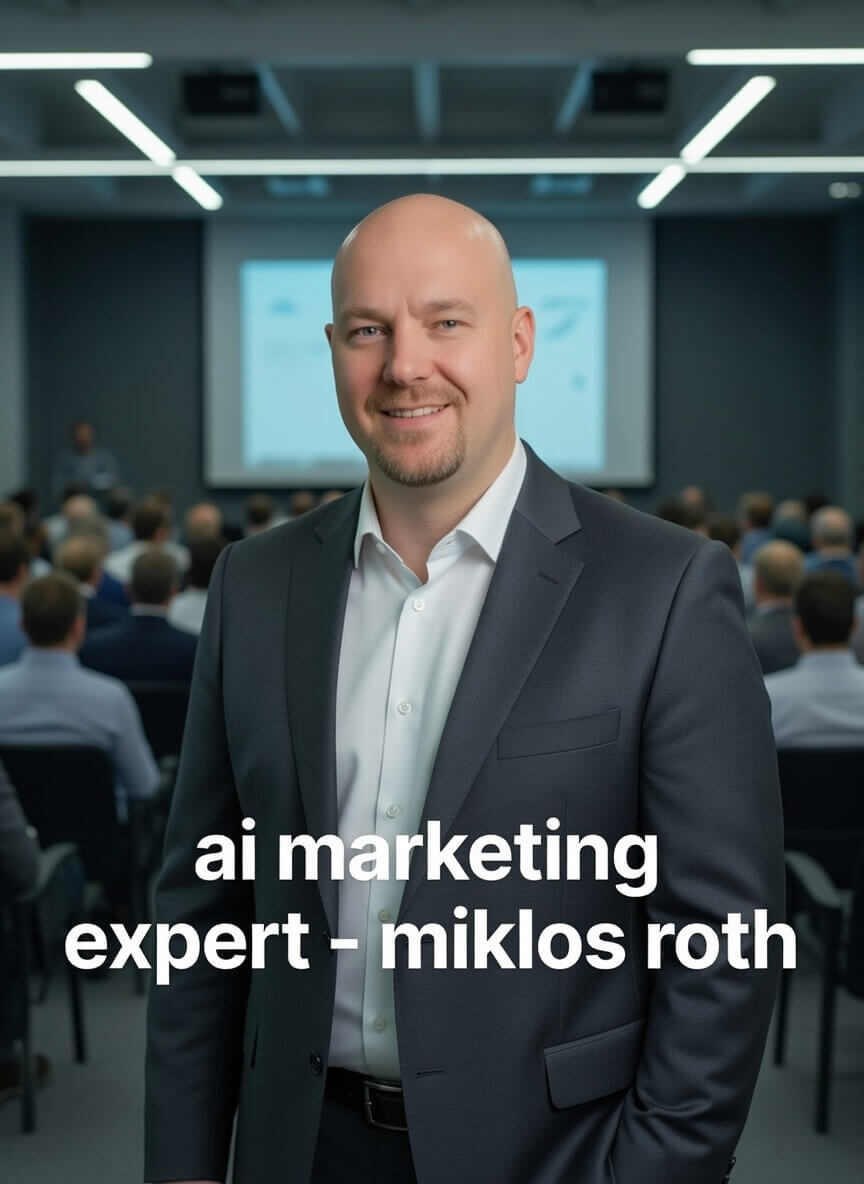
In the past, winning in Google Ads meant having the most granular keyword list and the tightest negative keyword structure. Today, winning requires feeding the machine better data than your competitors. This article outlines the "Google Ads + AI Framework," a strategic methodology championed by Miklos Roth. It is a system that combines the raw computational power of Google’s AI with the strategic oversight of human intelligence.
To understand the framework, we must first accept that the keyword is no longer king. The intent signal is king. Google’s AI processes millions of data points per user session—device, time of day, operating system, past browsing history, location context—to predict conversion probability.
A human media buyer cannot compete with this calculation speed. However, the AI is blind to business context. It will happily spend your budget acquiring low-quality leads if you tell it to optimize for "Form Fills." The "Roth" framework focuses on teaching the AI what to value.
To see how this high-level strategic thinking is applied in professional networks, one should connect with Miklos Roth marketing profile. It demonstrates that modern expertise is not about knowing which buttons to click, but understanding the architecture of the machine learning models.
Artificial Intelligence is a voracious eater, and its diet is data. If you feed it "junk" data (spam leads, accidental clicks, unverified conversions), it will optimize for junk. This is the concept of GIGO (Garbage In, Garbage Out).
The first step in the framework is implementing Enhanced Conversions and Offline Conversion Import (OCI). We must bridge the gap between the ad click and the final sale in the CRM.
Standard Pixel: Tracks that a user visited the "Thank You" page.
AI Framework: Tracks that the user became a Marketing Qualified Lead (MQL) and eventually a closed deal worth $5,000.
We feed this value back into Google Ads. Now, the AI optimizes for the $5,000 revenue, not just the $2 click. This scientific approach to data integrity is often supported by rigorous study. You can explore academic research and publications to understand the statistical principles that underpin reliable data modeling in digital environments.
Performance Max is Google’s fully AI-driven campaign type. It serves ads across Search, Display, YouTube, Gmail, and Discovery from a single campaign. For many, it is a "Black Box" that burns budget. For the disciplined strategist, it is a weapon.
The secret to PMax is not in the bidding, but in the Asset Groups. We must create distinct asset groups for distinct audiences.
Group A: Audiences interested in "Efficiency." (Copy speaks to speed).
Group B: Audiences interested in "Quality." (Copy speaks to durability).
This requires a level of discipline that is rare in the industry. It requires resisting the urge to lump everything together. Looking at the journey from NCAA champion to consultant reveals how the mindset of elite athletics—focus, segmentation, and rigorous practice—is the exact mental model needed to tame the chaos of Performance Max.
In an AI-first world, "Creative is the new Targeting." Since Google automates the targeting, your only lever of differentiation is the creative—the image, the video, the headline.
We use tools like Midjourney and Google’s own generative asset tools to produce hundreds of variations of visual assets. However, these assets cannot be generic. They must be strategically aligned with the brand's Unique Value Proposition (UVP).
When working with enterprise clients, this asset generation is not random; it is architectural. To understand how these large-scale creative strategies are managed, you should visit official Roth AI Consulting site. The focus there is on using AI to scale the "winning" creative while cutting the "losing" creative ruthlessly.
Google’s AI is powerful, but it is not perfect. It can overspend. It can bid on irrelevant terms. This is where the "Fixer" layer comes in. We use Google Ads Scripts (JavaScript code) to act as a guardrail around the AI.
The "Zero Impression" Pause: Automatically pauses keywords that haven't shown in 90 days.
The "Link Checker": Instantly pauses ads if the landing page returns a 404 error.
The N-Gram Analysis: Identifies patterns in search terms that waste money.
This technical intervention is crucial. It is the role of a specialist where a digital fixer solves your most complex technical anomalies. By automating the defense, we free up human brainpower for the offense (strategy).
The elephant in the room is privacy. With the loss of third-party cookies and regulations like GDPR, the AI is losing some of its vision. Google’s solution is "Consent Mode" and modeled conversions.
We must ensure that we are feeding the AI data that is compliant. This is a complex legal and technical intersection. It is fascinating to look inside the brain of a consultant who specializes in this exact overlap of AI performance and GDPR compliance. The framework dictates that we prioritize user trust; if the user opts out, we respect it, and we rely on AI modeling to fill the gap, rather than intrusive tracking.
How do you know if "Target CPA" is better than "Maximize Conversions"? You test. But testing in Google Ads costs money.
Before launching a massive budget, we stress test the strategy. We analyze historical data to see how the proposed bid strategy would have performed. We run experiments (A/B tests) on a small slice of traffic.
This rigorous testing is the fastest way to stress test strategy. We force the AI to prove itself. If the "Target ROAS" (Return on Ad Spend) strategy cannot maintain volume during the test, we do not roll it out to the main account.
A siloed approach fails. Google Ads data should inform your SEO (keresőoptimalizálás) strategy, and vice versa.
Google Ads provides the "Search Terms Report"—actual queries users typed. This is the most accurate keyword research tool in existence.
Identify high-converting terms in Ads.
Build organic content around those terms for SEO (keresőoptimalizálás).
Stop paying for clicks you can get for free.
This integration requires a global perspective. Agencies like the leading AI SEO agency New York excel at this dual-channel dominance, using paid data to accelerate organic rankings in highly competitive markets.
The Google Ads auction changes every second. Your strategy cannot be static. We apply a "Sprint" methodology to campaign management.
Monday: Review recommendations and auto-applied suggestions.
Wednesday: Creative refresh (swap out losing images).
Friday: Bid adjustment and negative keyword exclusions.
This rapid cadence keeps the account fresh. You should review the AI sprint blueprint process to understand how to apply agile principles to media buying. Speed is a quality variable in the Quality Score calculation; relevant, fresh ads get cheaper clicks.
The AI is global, but psychology is local. A Google Ad that works in San Francisco will likely fail in Zurich.
In Germany, Austria, and Switzerland, users are more risk-averse. Ads must focus on trust seals, specifications, and certifications. "Free Trial" is less powerful than "Certified Security." You can find valuable insights from my marketing world regarding the specific ad copy preferences of the Austrian and DACH markets.
In the US, the "Hook" must be aggressive. It’s about the transformation and the benefit. The framework adjusts the "Asset Groups" in PMax to reflect these cultural differences.
Google updates its Ads platform almost as often as its Search algorithm. New features like "Demand Gen" campaigns or "Video View" campaigns appear overnight.
To maintain the "Roth" standard of excellence, one must be a student of the industry news. We constantly read recent industry news coverage to spot feature releases before the competition. Being the first to adopt a new format (like Short-form video ads) often yields a "first-mover advantage" with lower CPMs.
You spent money to get the click. You spent money to write the landing page. Now, use it.
Data from Google Ads tells you exactly which headlines resonate. Take that headline and make it the subject line of your email newsletter. Take the winning image and put it on your LinkedIn. This is how a smart strategist turns twenty minutes into twelve months of marketing insights. The ad account is not just a sales channel; it is a market research laboratory.
The complexity of AI in advertising requires a foundation in advanced marketing science. It is no longer enough to be "certified" in Google Ads basics.
Engaging with high-level executive education, such as the Oxford artificial intelligence marketing series, provides the strategic depth needed to manage AI, rather than be managed by it. It differentiates the "button pusher" from the "revenue architect."
The Google Ads + AI Framework is about control. It acknowledges that while the AI is a Ferrari engine, it still needs a driver to steer it around the corners.
By focusing on Data Hygiene, Creative Architecture, Automated Guardrails, and Regional Nuance, we can build campaigns that scale efficiently. The goal is not just to get clicks; it is to build a predictable, scalable revenue engine that adapts to the user in real-time.
In this new world, the best media buyer is the one who best trains the machine.
Explore premium link-building options to boost your online visibility.