01 · SZEMLÉLET
Egy sportoló tömörítése
Minden alkalom egy bajnoki döntő. Nincs bemelegítés, nincs töltelék, teljes fókusz az óra alatt — maximális érték minimális idő alatt.
Mit csinál egy AI marketing ügynökség, miben más, mint egy hagyományos ügynökség, és hogyan válassz olyan partnert, aki valódi üzleti eredményt hoz? Részletes útmutató cégeknek.
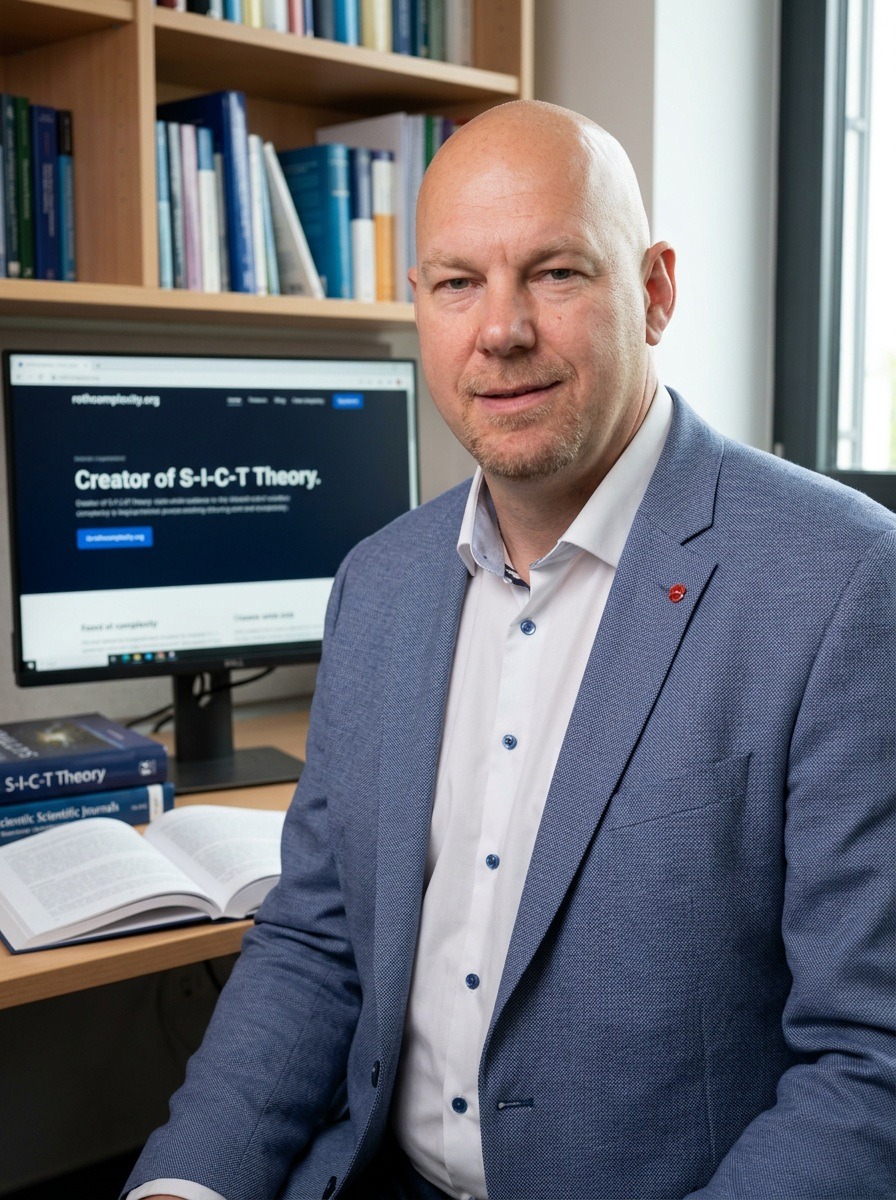
Egykori magyar bajnok gátfutó.
A leggyorsabb második vélemény az AI-ban.
Ha cégvezetőként olyan AI-döntés előtt állsz, amit nem hibázhatsz el — és nem várhatsz vele három hónapot —, adj nekem húsz percet. Diagnózissal távozol, nem egy újabb prezentációval.
A döntés nyitva van. Hetek óta nyitva van. És minden héttel, amit nyitva marad, pénzbe kerül.
A piac ma hetek alatt mozdul, nem negyedévek alatt. A postaládád tele van AI-csodát ígérő emberekkel, és egyikük sem mondja meg azt az egyetlen dolgot, amire szükséged van: mit csinálj először. Ezért vársz. Kérsz még egy elemzést. Beütemezel még egy workshopot, ami ott ér véget, ahol elkezdődött.
Közben egy versenytárs, aki gyorsabban lépett — nem okosabban, csak gyorsabban —, már három lépéssel előrébb jár azon az úton, amiről te még vitatkozol. A hagyományos tanácsadás egy lassabb világra épült. Az AI korában a tempója maga a kockázat. Nem tudásproblémád van. Sebességproblémád van.
Tizenhat évet töltöttem azzal, hogy egyetlen dolgot megtanuljak: teljesíteni, amikor az óra a leghangosabb.
A 400 méteres gátfutásban nincs második nekifutás. Eldördül a startpisztoly, és vagy megjelenik a felkészülésed, vagy nem — egy percen belül, mindenki szeme láttára. Elég jól csináltam ahhoz, hogy magyar bajnok legyek, 19 évesen a világ legjobbjai közé kerüljek, ösztöndíjat kapjak Nebraskába, és tagja legyek az 1996-os NCAA-bajnok Distance Medley váltónak.
Aztán otthagytam a pályát, és húsz évet töltöttem egy lassabban égő versenyben: nemzetközi digitális kampányok, SEO, cégépítés és -eladás, csapatvezetés az IBM-nél, munka Spanyolországban és az Egyesült Államokban. Valahol útközben abbahagytam azt, hogy listaként nézzek az üzleti problémákra — és elkezdtem rendszerként látni őket.
Sokan fotografikus memóriának hívják. Neked ez azt jelenti: egyszerre tudom a fejemben tartani az egész cégedet — a számokat, a korlátokat, a versenytársakat, és azt is, amit még ki sem mondtál —, és látom, hol vérzik, mielőtt befejeznéd a mondatot.
Add hozzá az élő AI-eszközparkot, amit a te valóságodra irányítok, és hónapnyi „feltárás” percekre zsugorodik. Ez nem rövidítés. Ez egy másfajta gondolkodás, nyomás alatt, a te problémádra irányítva. Ezt veszi meg a húsz perc.
Magyar bajnok, NCAA-bajnok váltó, pénzügyi közgazdász diploma — és az életre szóló szokás, hogy hangos óra mellett is teljesítsek.
Csapatvezetés az IBM-nél, marketing Spanyolországban és az Egyesült Államokban, két évtized SEO és digitális munka — épített, skálázott és eladott cégek.
Roth AI Consulting és egy budapesti AI marketing ügynökség — mindezt azonnali, diagnosztikus tisztánlátássá alakítva a vezetőknek.
Minden alkalom egy bajnoki döntő. Nincs bemelegítés, nincs töltelék, teljes fókusz az óra alatt — maximális érték minimális idő alatt.
Az adataidat még a beszélgetés előtt magamévá teszem. Nincs jegyzetelési szünet, nincs újrakérdezés az alapokról — a teljes kép egyszerre látszik.
Nem „ChatGPT-használat”. Élő eszközpark, amely szimulálja az elemzést, és minden opciót átszűr a büdzséden, csapatodon, technológiádon és kockázataidon.
Egy jó orvos nem futtat le minden vizsgálatot — tudja, hol keresse. Az S-I-C-T protokoll így találom meg azt az egy dolgot, ami tényleg rossz: gyors audit az AI-felkészültségedről, a rendszereidről és a szűk keresztmetszetekről. Négy lépés, sorrendben.
A határok és az identitás, ami összetartja a rendszert.
A bizonyítékok olvasása, a hiedelmek frissítése, a meglepetés csökkentése.
Belső összhang — minden alkatrész ugyanabba az irányba húz.
Olyan alkalmazkodás, ami ténylegesen elmozdítja a számot.
Karl Friston szabadenergia-elvén alapul, és a Signal Over Noise című könyvemben van részletesen kifejtve — ugyanaz a lencse, amely megmagyarázza, miért maradnak fenn egyes rendszerek a káoszban, míg mások csendben összeomlanak.
Kitöltesz egy fókuszált kérdőívet: kontextus, kulcsmutatók (árbevétel, lemorzsolódás, ügyfélszerzési költség), technológiai háttér, fájó pontok, célok. Ezt feldolgozom, és lefuttatok egy előzetes AI-elemzést — versenytárs-összehasonlítást és digitális lábnyom auditot. Mire elkezdődik a hívás, már tudom a „mit” és a „hol”.
Sebészi pontosságú kérdések megerősítik a feltételezéseket, és beazonosítják az egyetlen legfájóbb problémát.
A megjegyzett kontextus találkozik az élő AI-jal, hogy a képességeket közvetlenül pénzügyi eredményekre képezzük le.
Recept. Konkrét javaslatok és a következő lépések, amelyeket azonnal megtehetsz.
Konkrét eszközök és folyamatok, mindegyik mérhető eredményhez kötve — indulásra készen, nem elméletben.
Érzelmek nélkül rendezve: pénztermelők, kockázatcsökkentők, és egy őszinte lista arról, mit hagyj abba.
Taktikai lépések, amiket már másnap elkezdhetsz — nem kell várni a „második fázisra”.
A legtöbb tanácsadás azt kéri, hogy heteket és büdzsét tegyél fel egy talánra. Én megfordítom. Ha nem távozol a húsz percünkből legalább egy világos, azonnal használható felismeréssel, nem fizetsz semmit — teljes visszatérítés, vita nélkül. Ez nem trükk. Kényszerítő erő, ami minden egyes alkalommal versenytempóban tart.
Ne cipeld egyedül a döntést. Hozd el a legkuszább AI-kérdésedet, és távozz diagnózissal, valódi felhasználási esetekkel és 90 napos tervvel — gyorsan, pénzvisszafizetési garanciával.
Foglalj 20 perces konzultációt →Az „AI marketing ügynökség” kifejezés ma már mindenütt ott van. Landing oldalakon. LinkedIn-posztokban. Ajánlatok tetején, vastag betűvel. Csakhogy a címke önmagában nem jelent semmit. Attól, hogy valaki három szoftver nevét felsorolja és néhány promptot dobál, még nem lesz belőle valódi növekedési partner.
Ha nagyon röviden kellene megfogalmazni: az AI marketing ügynökség olyan partner, amely a marketingfolyamat több pontján mesterséges intelligenciát használ a gyorsabb elemzéshez, a jobb döntéstámogatáshoz, a kreatív és tartalmi iteráció felpörgetéséhez, a kampányok finomhangolásához, illetve az ismétlődő folyamatok automatizálásához. A hangsúly azonban nem az „AI”-on van, hanem azon, hogyan lesz ebből üzleti eredmény.
Mert a Google AI Overviews és AI Mode miatt a keresések egyre hosszabbak, párbeszédesebbek és összetettebbek. A felhasználó ma már nem csak beír két szót, hanem kérdez, finomít, összehasonlít. Aki csak a régi SEO + PPC formulával dolgozik, az lemarad.
Tartalom, mérés, kampányok, CRM – mindet egyetlen összefüggő rendszerbe szervezi.
Kérdésalapú, keresési szándékra épített, márkahangot őrző tartalmi ökoszisztémát hoz létre.
Smart Bidding + value-based bidding: nem kattintást, hanem bevételt és LTV-t maximalizál.
SEO és PPC egy irányba dolgozik az AI Overviews és AI Max logikája szerint.
Mert ma már szinte mindenki használ AI-t. Ez nem előny. Ez belépő. Az előny a minőségellenőrzésben, brand-kontrollban és stratégiai beágyazásban van.
Elsősorban KKV-knak és B2B cégeknek, akik növekedni akarnak, de nincs komplett belső marketing- és automatizációs csapatuk.
Ne azt kérdezd, milyen eszközöket használ. Azt kérdezd, hogyan gondolkodik a keresési szándékról, konverzióértékről és minőségi kontrollról.
Egy teljes havi növekedési rendszer ára általában 150 000 – 450 000 Ft között mozog – attól függően, mit akarsz valójában megoldani.
Kérj ingyenes növekedési auditot most!
Ingyenes AI Marketing Audit →Írta a Keresőmarketing Ügynökség Budapest csapata • Google Partner • 2026
In the world of wildlife photography, "raptor" usually implies "pain." It implies hiking up mountains with 15kg of glass to find an eyrie. It implies sitting in a cramped canvas tent for 12 hours, praying the bird lands on the one branch that isn't backlit. And most of all, it implies the "Raptor Neck"—the chronic ache that comes from pointing a 600mm lens at the sky for days, resulting in thousands of images of dark bird bellies against a blown-out white sky.
So, when whispers started circulating in the European nature photography community about a specific site in Hungary—a "Tower Hide" situated in the middle of a massive Red-footed Falcon colony—we had to investigate. The claims were bold: eye-level shots of mating falcons, clean green backgrounds, comfortable seating, and hundreds of interactions per hour.
Is it a tourist trap, or is it the holy grail of avian photography? We sent a team to the Heves Plain, equipped with the latest high-resolution mirrorless bodies and super-telephotos, to put Ecotours’ Red-footed Falcon Tower to the test.
Here is our deep-dive review.
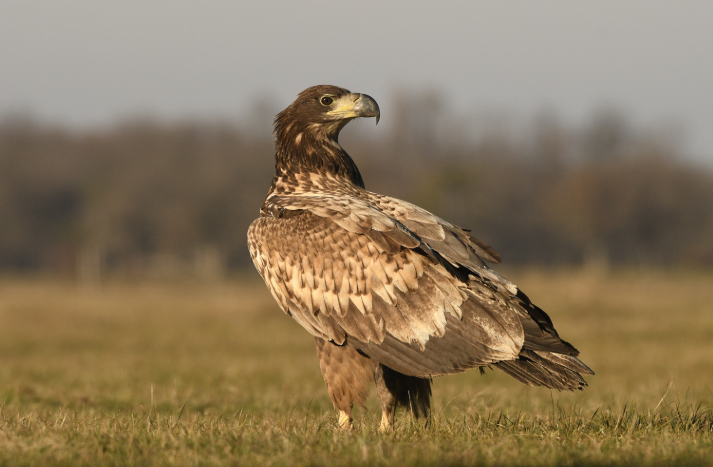
Before we talk about the infrastructure, we must talk about the model. The Red-footed Falcon (Falco vespertinus) is arguably Europe’s most photogenic raptor.
The Male: A slate-grey phantom with rusty-red "trousers" and legs.
The Female: A stunner with an orange-rufous head and underparts, and a barred grey back.
Unlike the stoic Golden Eagle, these falcons are social, loud, and hyper-active. They nest in colonies (often taking over abandoned rookeries). This means that once you are in position, you are not waiting for a bird; you are surrounded by birds.
The behavior is the hook. During mating season (May-June), the males perform "food passes." They hover in mid-air or land on a branch to hand over a lizard or a vole to the female. It is high-speed, high-contrast action.
The problem? They nest high in the canopy. From the ground, you are shooting at a 60-degree angle. You get the belly, but you lose the story. You lose the eye contact.
This is where Ecotours has changed the game. They haven't just put a tent near a tree; they have engineered a solution to the "angle of incidence" problem.
The hide is a permanent wooden structure built on stilts, elevating the photographer roughly 6 to 8 meters (20-26 feet) off the ground.
Stability: This is critical. A tower that sways in the wind is useless for long-lens photography. The Ecotours tower is anchored deep. We tested it with three photographers moving around and gimbal heads swinging. The vibration was negligible.
The Height: The floor of the hide puts your lens exactly level with the nesting boxes and the primary perches.
The Background: This is the killer feature. Because you are up in the canopy, your background is not the bright sky; it is the distant foliage of the next tree line. This allows for that creamy, diffuse green bokeh that separates professional work from amateur snapshots.
Inside, the hide is surprisingly spacious. It features carpeted floors (to dampen sound), adjustable swivel chairs, and dedicated shelving for bean bags or gimbal heads. It is ventilated, which is essential because the Hungarian steppe can get hot in June. There is even a rudimentary gravity-flush toilet system nearby—a luxury in the birding world.
Let’s address the controversy. The Ecotours Tower utilizes One-Way Mirror Glass (Spy Glass).
For the purist, shooting through glass is often considered a sin. The fear is loss of sharpness, loss of light, and autofocus confusion. We tested the glass rigorously using a Sony A1 with a 600mm f/4 GM and a Nikon Z9 with the 800mm PF.
The Findings:
Light Loss: We measured a light loss of approximately 1.3 to 1.5 stops. In the modern era of ISO-invariant sensors, this is irrelevant. We were shooting at 1/3200s, f/4, ISO 1600-3200, and the files were clean.
Sharpness: We found zero perceptible degradation in sharpness in the center of the frame. The feathers were resolved down to the barbules.
Color Cast: There is a very slight warming effect, easily corrected in Lightroom by adjusting the White Balance tint by -5 to -10.
The "Invisible" Advantage: This is the trade-off that makes it worth it. Because the birds cannot see you, their behavior is 100% natural. They land on perches 4 meters away. They mate directly in front of the glass. If we were in an open-front hide, our lens movement would have flushed them instantly.
Verdict on Glass: The trade-off is overwhelmingly positive. The intimacy gained outweighs the stop of light lost.
The birds are habituated to the hide
The experience begins early. Ecotours guides drive you to the tower before dawn to ensure your entry doesn't disturb the colony rhythm. You climb the ladder, set up your gimbal, and wait.
As the sun rises, the "One-Way" effect kicks in. The outside world brightens, turning the glass into a mirror for the birds, while you sit in darkness.
Then, the chaos begins.
In a typical 4-hour morning session, we logged:
30+ Mating encounters: The male landing on the female’s back, wings spread.
50+ Food passes: Males bringing in crickets, lizards, and voles.
Constant aerial combat: Kestrels and Jackdaws trying to raid nests, with the Falcons dive-bombing them.
The challenge is not finding a subject; it is choosing one. The sheer number of birds means you have to be disciplined. You have to pick a specific perch or a specific light angle and wait for the bird to enter your stage.
Ecotours has curated the environment. They have placed "photogenic" perches—weathered branches with nice textures—at ideal distances from the hide (approx. 5-8 meters). These perches are positioned to ensure the background is far enough away to be rendered as a smooth wash of color (bokeh), but close enough that the bird feels comfortable using them as a staging post before entering the nest box.
For the gear-heads reading this, here is how the tower challenges your equipment and skills.
1. Focal Length Strategy Most photographers bring their longest lens (600mm or 800mm). In the Tower, this is often too much.
The Sweet Spot: A 400mm f/2.8 or a zoom like the 100-500mm/200-600mm is actually superior here. When a falcon lands 4 meters away, a 600mm lens will crop off the tail or wings.
The Two-Body Solution: We recommend setting up a 600mm on a gimbal for the "portrait" shots and having a 70-200mm or 300mm hand-held (or on a second bean bag) for the close-ups and flight shots.
2. Autofocus Settings Shooting through glass requires a slight tweak in technique.
Limiter: Set your lens focus limiter to "5m - Infinity." This prevents the AF from hunting on the glass surface itself if you lose the bird.
Stickiness: We found that increasing the "Tracking Sensitivity" (making the AF 'stickier') helped. If a bird flies behind a branch or another bird crosses the frame, you don't want the focus to jump instantly.
3. Exposure The falcons are high-contrast. The males are dark grey; the females have bright orange heads.
Metering: Matrix/Evaluative metering works well, but watch the histogram. The dark feathers of the male can fool the camera into overexposing. We recommend dialing in -0.3 to -0.7 EV compensation to protect the highlights on the female’s head and preserve the rich texture of the male’s grey plumage.
It is important to note that you cannot just show up at this tower. It is owned, maintained, and guarded by Ecotours.
This exclusivity is a major pro.
Crowd Control: The tower accommodates 3-4 photographers comfortably. Ecotours limits the group size. You are not fighting for elbow room.
Conservation First: This is the ethical backbone. The falcons are here because Ecotours and their partners installed the nest boxes. The revenue from the hide rental pays for the maintenance of the colony. The birds are habituated to the hide, meaning your presence does not cause stress.
The Guide: The Ecotours guides are photographers themselves. They know the light. They know the wind direction. They will tell you, "Watch that left perch, the male usually lands there before entering box #4." That local knowledge is worth the price of admission.
Is this Europe’s best raptor photography spot?
If you judge "best" by the reliability of sightings, the quality of the background, and the comfort of the shooting environment, then yes.
There are places to photograph Golden Eagles in winter snow, or Sea Eagles in Norway, which are spectacular. But those are often tests of endurance with low hit rates.
The Red-footed Falcon Tower is different. It is an "Action Studio" in the wild. It delivers a volume of high-quality opportunities that is unmatched. You will fill a 128GB card in a morning. You will delete 80% of them, and you will still be left with 50 portfolio-grade images.
For the luxury traveler or the serious pro who wants to maximize their time, this is the most efficient, productive, and enjoyable raptor shoot on the continent.
Pros:
Eye-Level Perspective: Game-changing for backgrounds.
Proximity: frame-filling shots at 300-400mm.
Comfort: Chair, carpet, shelf system.
Volume: Hundreds of birds, constant action.
Cons:
Heat: Mid-day in July can be warm (though morning/evening sessions avoid this).
Glass: Requires discipline (black clothes, lens skirts) to avoid reflections.
Final Score: 4.8/5 Stars
Primary Lens: 400mm f/2.8 or 500mm f/4. (600mm is tight, but usable for headshots).
Secondary Lens: 70-200mm f/2.8 or 100-400mm zoom. Crucial for "environmental" shots and when birds land close.
Camera Body: High frame rate (20fps+) is a huge advantage for the food pass action.
Support: Gimbal Head is highly recommended. Ecotours provides plates/beanbags, but a gimbal makes flight tracking easier.
Accessories:
Lens Skirt/Black Cloth: Essential to block reflections on the glass.
Black Shirt: Do not wear white or bright colors inside the hide.
Fast Memory Cards: You will be shooting bursts. CFexpress Type A/B is preferred.
Shutter Speed: Minimum 1/2000s (Action), 1/3200s (Mating/Flight).
Aperture: f/4 to f/5.6. (Stopping down slightly helps depth of field through glass).
ISO: Auto ISO (Limit 6400).
Focus Mode: Continuous AF (Servo).
Focus Area: Zone or Expand Spot (Single point can be too hard to keep on a fast-moving falcon).
Drive Mode: High+ (20fps or 30fps).
Explore premium link-building options to boost your online visibility.